Discovering that a conference you paid for is fake, or nothing like what was advertised, is upsetting, and it can feel embarrassing. It should not. Predatory conferences are engineered to look legitimate, and thousands of careful, intelligent researchers are caught by them every year. If it has happened to you, this guide walks through the practical steps to limit the damage, try to recover your money, and help others avoid the same trap.
First, take a breath, this is not your fault
These operations spend real effort looking convincing: professional-looking websites, real-sounding committee names, and the language of genuine scholarship. Being deceived by a well-built scam is not a failure of judgment. What matters now is acting calmly and methodically. Work through the steps below in order.
Step 1: Stop any further payments
If you have not yet paid everything, stop. Do not pay outstanding "publication," "processing," or "certificate" fees, and be wary of any follow-up asking for more money to "confirm" or "upgrade" your participation, chasing extra fees from people who have already paid is a common tactic. If you set up any recurring payment or shared card details, consider that channel compromised and move to Step 3.
Step 2: Gather your evidence
Before you do anything else, save a record of everything while it is still available:
- The original invitation email and all correspondence.
- The event website (save the pages or take screenshots, predatory sites often disappear).
- Your payment receipt, invoice, and bank or card statement showing the charge.
- Any acceptance letter, programme, or promises made about publication or indexing.
This evidence is what makes a refund claim or a report credible, so collect it early.
Step 3: Try to get your money back
Recovering funds is not guaranteed, but it is often possible, and worth attempting quickly, because time limits apply. General options include:
- Card chargeback: if you paid by credit or debit card, contact your card provider and ask about disputing the charge for services not provided or misrepresented. Many providers have a window (often a few months) in which you can raise a dispute.
- Bank transfer: if you paid by bank transfer, contact your bank immediately, recovery is harder, but acting fast gives the best chance.
- Your institution: if you paid through a university or employer, tell your finance or research office. They may have a process for this and will want to know regardless.
Procedures and time limits vary by provider and country, so contact your bank or card provider directly for the steps that apply to you, this article is general information, not financial or legal advice.
Step 4: Report it so others are warned
One of the most useful things you can do is make sure the next person is not caught. Share your experience, factually and without exaggeration, in our community forum, and report the event through Confira's conference checker so it can be reviewed and flagged for others. If the event promised publication in a journal, you can also alert the relevant scholarly bodies and your institution's library, which often maintain guidance on predatory venues.
Step 5: Protect your academic record
If you presented at or "published" through a predatory venue, it is worth being proactive about your record. Consider removing the item from your CV and profiles, or being ready to explain it, since predatory venues can quietly damage credibility with informed reviewers and hiring committees. If a paper was submitted, check whether you can withdraw it before it is posted. A short, honest correction now is far better than an awkward question later.
How to avoid it next time
The good news is that predatory conferences follow patterns, and a few minutes of checking catches almost all of them. Before paying for any future event:
- Run it through our free conference checker for a fast risk verdict.
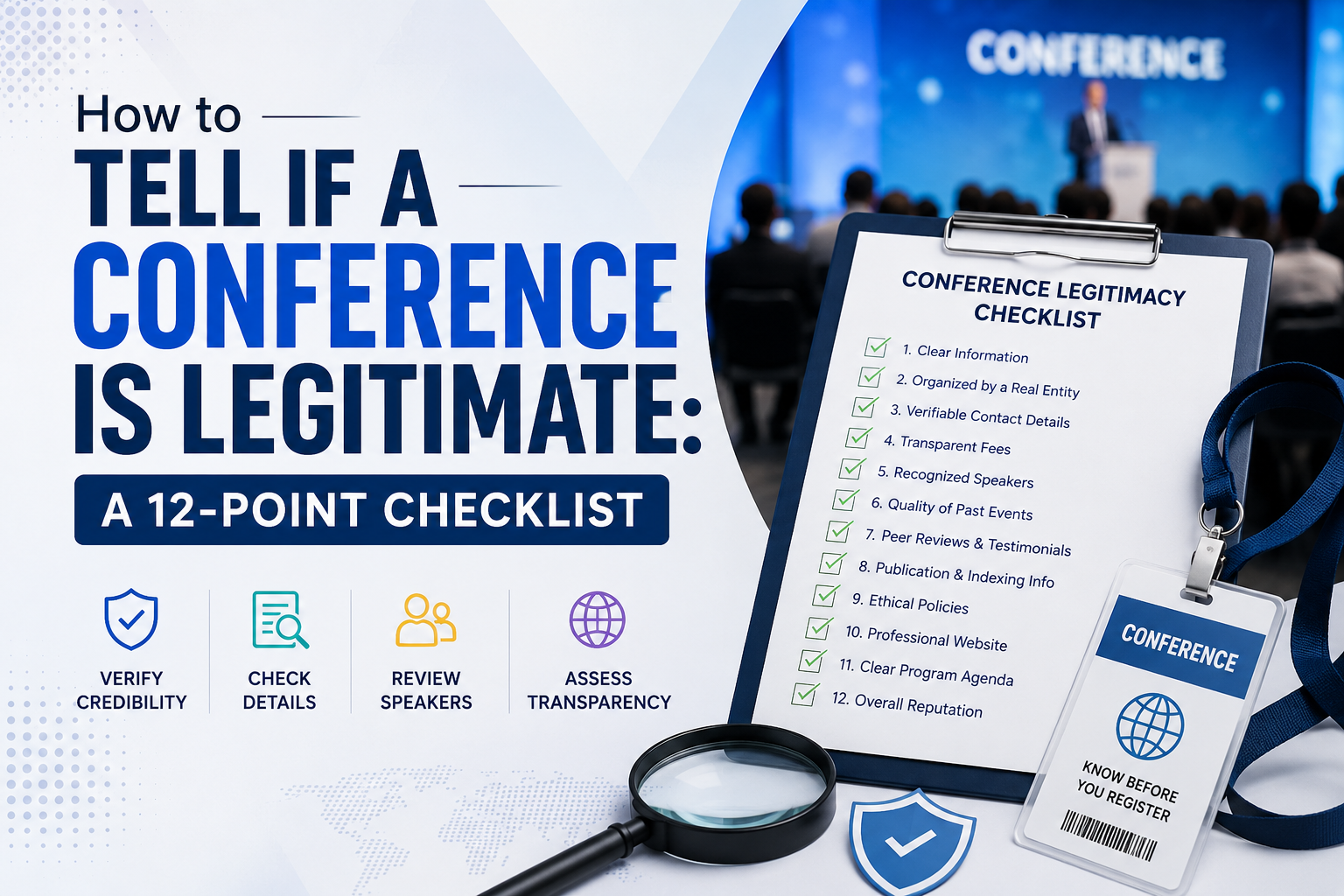
- Work through our 12-point legitimacy checklist.
- Read the full guide to predatory conferences to understand how the scam works.
- Look for events with a strong ROCME score and, where possible, choose from vetted calls for papers and conferences on Confira.
Frequently asked questions
Can I really get my money back? Sometimes. Card chargebacks are the most common route when services were not provided or were misrepresented, but success and time limits vary. Act quickly and keep all your evidence.
Should I keep engaging with the organisers to get a refund? Usually no. Legitimate disputes go through your bank, card provider, or institution, not through more back-and-forth with the operator, who may simply try to extract further fees.
Will this hurt my career? A single misstep is rarely damaging on its own, especially if you address it. The bigger risk is leaving a predatory "publication" on your record unexplained. Being proactive protects you.
How do I make sure it never happens again? Build a quick habit: before paying for any event, run it through our conference checker and the checklist. Two minutes of checking saves a great deal of money and stress.
---
*This is a sensitive and stressful experience for many people. If you are feeling overwhelmed, be kind to yourself, you were targeted by a deliberate scam, and taking these practical steps is exactly the right response.*
No comments yet. Be the first to share your thoughts.