A colleague forwards you a link, or you find it yourself while searching your own name: a conference has listed you as a speaker. The problem is simple and unsettling. You never agreed to speak there. Maybe you never heard of the event at all.
This happens more often than most researchers realise, and it is one of the clearest warning signs of a predatory conference. Your name and reputation are valuable. Dishonest organisers borrow them to make an event look credible to the people they actually want: paying attendees.
Here is why it happens, what it can cost you, and the exact steps to get your name removed.
Why your name gets used
A conference that struggles to attract genuine, well-known speakers has a shortcut: list respected people anyway. A polished website with a dozen distinguished names in the "speakers" section signals legitimacy to a prospective attendee who does not have time to verify each one. By the time anyone checks, the registration fee has been paid.
Some events scrape names from journal author lists or past conference programmes. Others lift them from a quick search of a research field. A few will even invent affiliations. The common thread is that nobody asked you.
Why it matters to you
It is tempting to shrug it off, but an unwanted listing carries real risk:
- Your reputation is attached to an event you would never endorse. If the conference turns out to be predatory, your name is now part of the evidence that fooled someone.
- Colleagues and students may assume you vouched for it. Association is quiet but real.
- It can multiply. Once your name appears on one such site, it is easier for the next one to copy it.
What to do, step by step
1. Confirm what is being claimed. Open the speakers page and screenshot it, including the date and URL. You want a record before anything changes.
2. Contact the organiser directly and ask for removal in writing. Keep it short and factual: you did not agree to speak, and you require your name and photo removed. Legitimate organisers who made an honest error will fix it quickly. Predatory ones often will not reply, which is itself informative.
3. Report it publicly so others are warned. This is the step most people skip, and it is the most valuable. A private removal helps you; a public flag helps everyone who receives the same invitation next week. On Confira, if the event is listed, its speaker profiles include a "This isn't me, or I didn't agree to speak here" option that routes to our moderation team. We review every report by hand and, when confirmed, remove the listing and lower the event's trust score.
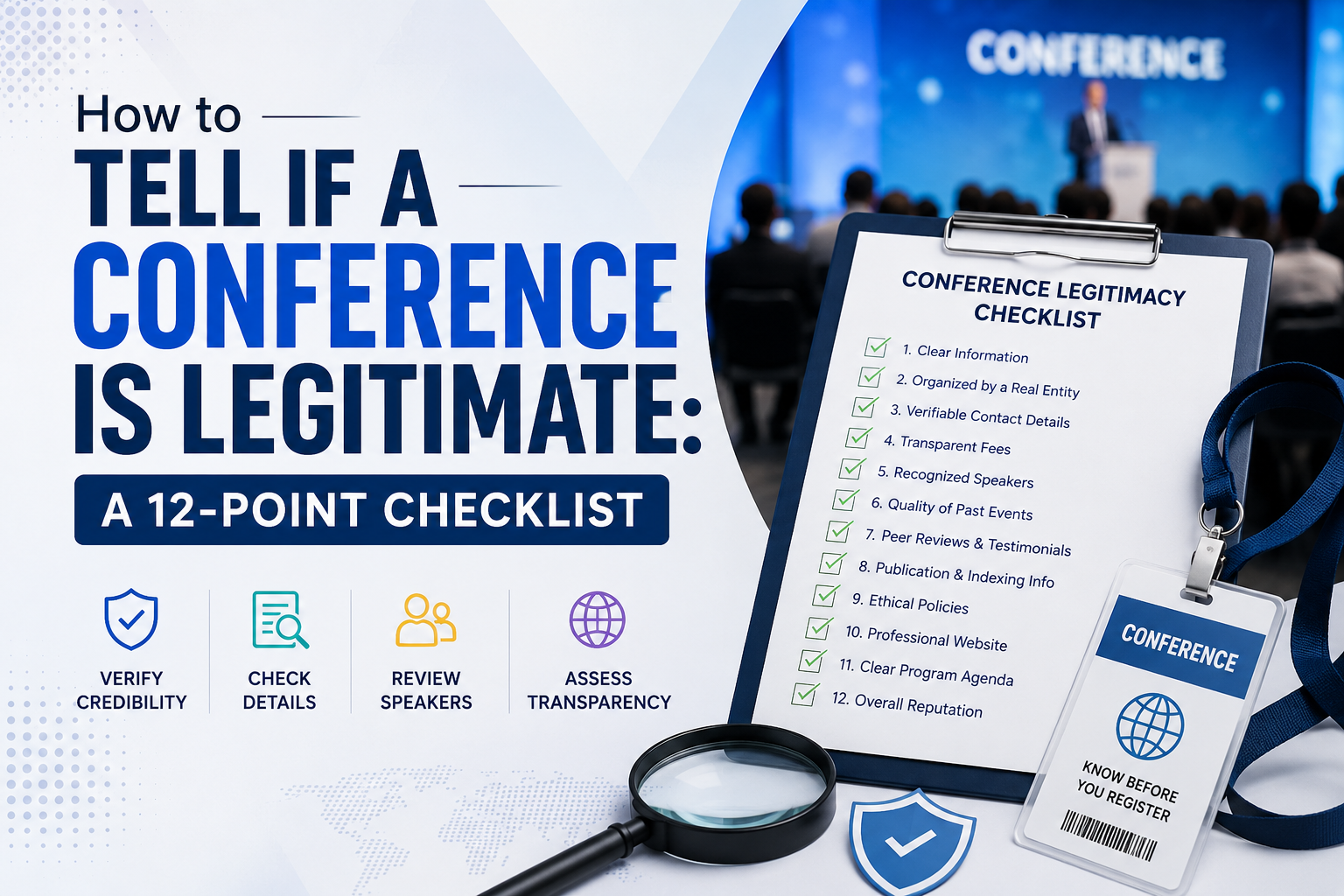
4. Run the event through a checker. If your name is on it, other red flags usually are too. Our free conference checker walks through the common warning signs in a couple of minutes.
The bigger picture
An event that lists speakers without consent is telling you something about how it operates. Genuine conferences confirm their speakers, publish real programmes, and have a verifiable history. When you report an unwanted listing, you are not just protecting your own name. You are removing one of the props that predatory conferences rely on to look real.
If you have been listed somewhere without agreeing, take the ten minutes. Ask for removal, and report it. Your name is worth defending, and the next researcher who checks that speaker list will be glad you did.
*This is general guidance, not legal advice. If a listing is causing you serious professional harm, consider raising it with your institution.*
No comments yet. Be the first to share your thoughts.